

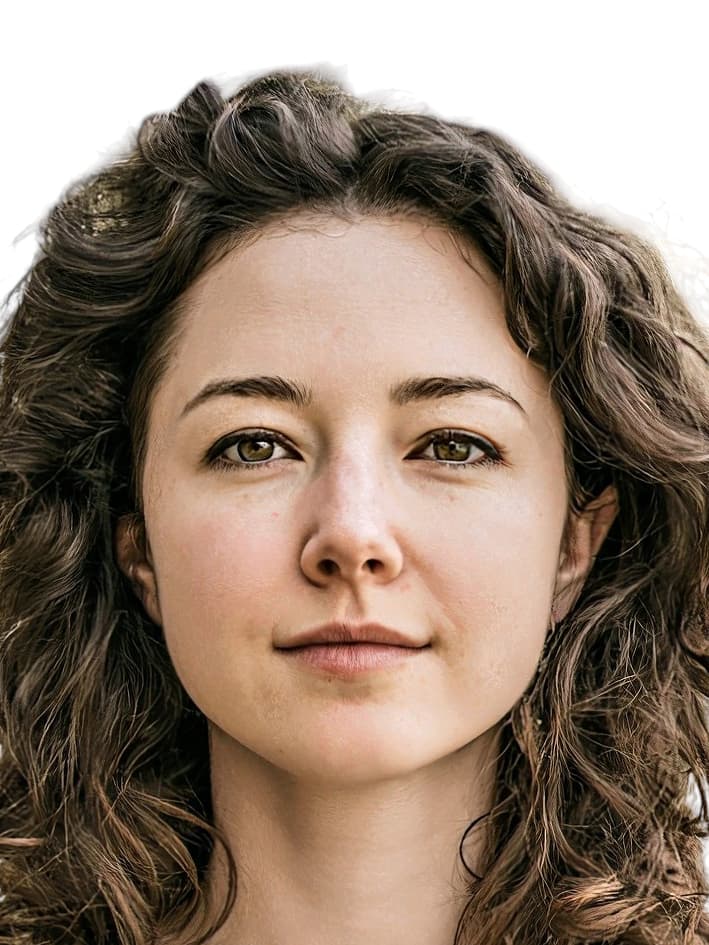
Ethiopia passport photo rules from the Immigration and Citizenship Service
Ethiopia’s passport photo standard is set by the Immigration and Citizenship Service (ICS) and enforced through the Digital INVEA platform that processes diaspora renewals and in-country applications. The canonical print size is 30×40 mm on a plain white background, and the same specification governs photos submitted for visas, eVisas, the Ethiopian Origin ID (Yellow Card), and the Laissez-Passer emergency travel document.
Since the November 2023 transition to electronic biometric passports, every applicant receives the e-passport and every photo flows through INVEA’s automated validation. The system checks framing, pose, expression, background uniformity, and accessory compliance before the application is accepted. Photos that fall outside the published tolerances are rejected at upload, which delays the application until a compliant image is provided.
Photos must have been taken within the last six months and must reflect the applicant’s current appearance. A significant change in appearance, including substantial weight change or the addition or removal of prominent facial tattoos or piercings, requires a fresh photo before ICS will accept the application.
Ethiopian passport photo requirements
The Ethiopian Immigration and Citizenship Service enforces these subject rules on every passport photo submitted through Digital INVEA or processed at an embassy.
Expression & pose
- Neutral expressionHold a strictly neutral expression. No smiling, no frowning, and no exaggerated facial expressions are accepted.
- Mouth closedThe mouth must be fully closed. Teeth must not be visible.
- Eyes open and forwardBoth eyes must be fully open and looking directly at the camera lens.
- Frontal head positionFace the camera squarely. The Ethiopian Immigration and Citizenship Service requires the head level with no tilt, turn, or three-quarter pose.
- Square shouldersBoth shoulders must be square to the camera and level. Both shoulders must be visible in the frame.
Eyewear & lenses
- EyeglassesGlasses are prohibited. Digital INVEA instructs applicants to remove glasses before capture. A medical exception requires a signed doctor’s note, clear lenses, no glare, and frames that do not cover any part of the eyes.
- Sunglasses and tintsSunglasses, photochromic lenses, and tinted or reflective lenses are forbidden in all cases, including medical exceptions.
- Contact lensesClear prescription contact lenses are permitted. Colored or cosmetic contact lenses that alter natural eye appearance are not accepted.
Hair
- Full face visibleThe complete facial oval from chin to forehead must be visible. Hair must not fall across the face.
- Forehead and eyebrowsBangs or fringe must not cross the eyebrow line or cover the eyes. Sweep hair off the forehead before the photo is taken.
- Long hair tied backLong hair must be tied or tucked behind the ears so that both ears remain visible.
- Hair accessoriesDecorative clips, ribbons, bows, and bands are not accepted. Small functional clips are tolerated only if they are not visible in the frame.
- Wigs and hairpiecesWigs are permitted only when worn as part of the applicant’s daily appearance.
Ears
- Ear visibilityBoth ears must be fully visible. Automated Digital INVEA validation checks ear visibility. The only exception is partial obscuring by an approved religious head covering, provided the full facial oval remains visible.
Headwear
- Hats and capsHats, caps, and fashion headbands are not permitted.
- Religious or medical head coveringReligious or medical head coverings are permitted when the full facial oval from chin to forehead remains visible and no shadow is cast on the face.
- Head covering colorPermitted head coverings must be a solid, non-distracting color that contrasts with the white background.
Jewelry & accessories
- Everyday jewelryStandard earrings, necklaces, Coptic crosses, and modest facial piercings are permitted. Jewelry must not obscure facial features or cause reflective glare.
- Oversized jewelryDangling or oversized jewelry that distorts the facial outline is not accepted.
- Headphones and earbudsHeadphones, wireless earbuds, and AirPods are explicitly banned per the Digital INVEA FAQ.
- Visible electronicsAny visible electronic device, including a smartwatch in frame, is unacceptable.
Cosmetics
- Makeup levelOnly natural everyday makeup is accepted. Heavy makeup that alters facial appearance is prohibited.
- False eyelashes and contouringFalse eyelashes and heavy contouring are prohibited because they alter biometric features and cast unnatural shadows.
- Permanent facial tattoosPermanent facial tattoos do not need to be covered, as they form part of the applicant’s daily appearance.
Clothing
- Mid-tone or dark colorsWear mid-tone or dark clothing that contrasts with the white background. Pure white tops are prohibited because the shoulders wash out against the white field.
- UniformsMilitary, police, and civil aviation uniforms are prohibited. Service passports are the only exception.
- CamouflageCamouflage clothing is strictly banned. Civilian use of camouflage is illegal under Ethiopian law, and this prohibition is enforced as a hard rule on passport photos.
- PatternsBold or distracting patterns are not accepted.
Photo quality
- Facial shadowsHeavy shadows on the face, including those cast under the nose, chin, or eyes by a hat brim or uneven light, render the photo unusable and require a retake.
- Red-eyeRed-eye is not accepted. The photo must be retaken rather than corrected in software.
- Subject motionMotion blur caused by the subject moving during capture is grounds for rejection.
Dimensions, resolution & background.
Head position & camera distance.
- Head height, measured from the bottom of the chin to the top of the head, must be between 29 mm and 31 mm (roughly 71–79% of the photo height).
- Eyes must sit between 19 mm and 23 mm from the bottom of the photo.
- Top margin (from the top of the head to the top edge): 2.5–3 mm.
- The head must be centered horizontally in the frame, with a small symmetrical margin on each side.
- Shoulders must be square to the camera and both visible. No three-quarter angles or rotated torso.
- The full face, from chin to crown, must be inside the frame with proper top margin.
How recent the photo must be.
Your passport photo must have been taken within the last six months. A new photo is required sooner whenever your appearance has changed in a way that makes the old photo no longer recognizable.
You need a new photo if you’ve had…
- Facial surgery or a major change to facial structure
- A significant gain or loss of weight that visibly changes your face
- Large facial tattoos or piercings added or removed
- A gender transition that has changed your appearance
You do not need a new photo just because of…
- A new hair color
- Growing or removing a beard or moustache
- Ordinary, minor aging
- A new hairstyle that still leaves the face fully visible
Photos for infants and young children.
The Ethiopian Immigration and Citizenship Service relaxes a small number of rules for infants. Older children follow the standard adult rules.
Infants (0–11 months)
Babies under one year are not held to the neutral expression, gaze, or strict pose rules that apply to older applicants.
- EyesInfants may have their eyes closed or only partially open.
- ExpressionA neutral expression is not enforced. An open mouth is acceptable.
- GazeThe infant does not need to look directly at the camera.
- Pose toleranceSome head yaw and pitch is tolerated for infants who cannot yet hold their head steady.
- SetupPhotograph the infant from above on a plain white sheet, or in a car seat draped with white cloth. No hands, pacifiers, toys, or other people may appear in the frame.
- Rules still enforcedThe white background, adequate lighting, and absence of facial shadows remain mandatory.
Country-specific details to know.
A few Ethiopian rules sit outside the usual subject checklist and catch applicants off guard.
Camouflage is illegal
Civilian camouflage clothing is illegal under Ethiopian law. The ban on camouflage in passport photos is a legal prohibition, not merely a photo policy preference, and is enforced without exception.
Headphones and earbuds banned
The Digital INVEA FAQ explicitly bans headphones, wireless earbuds, and AirPods in the frame. Remove all hands-free devices before the photo is taken.
Lenient jewelry policy
Ethiopia sits in the permissive cohort for jewelry. Coptic crosses, standard earrings, necklaces, and modest facial piercings are accepted as long as they do not obscure facial features or cause flash glare.
Diaspora must use Digital INVEA
Dual nationals and diaspora applicants must submit through the Digital INVEA workflow. Photos sized to the U.S. 2x2 inch standard are not a valid substitute for the Ethiopian 30 by 40 mm spec.
As easy as snap, upload, done.
You take a quick picture. We do the spec work and tell you immediately if anything needs a retake.
Plus a human layer. Your files are ready the moment the automatic checks pass — and a real passport-photo specialist also reviews each one, usually within minutes, touching up small issues or flagging anything that needs your attention.
Free to check, and reviewed by a real expert. You only pay when you keep it.
Print & paper standards.
If you submit a printed photo with a paper application, the print itself has to meet acceptance-facility standards in addition to the rules above.
- High-quality photo paper with a matte finish.
- Inkjet and dye-sublimation printing are both accepted.
- No visible pixels, banding, dithering, or printer artifacts.
- The print must be undamaged: no creases, holes, smudges, staples, or pinholes.
- Do not write on the back of the photo.
- 2 identical prints are required.