
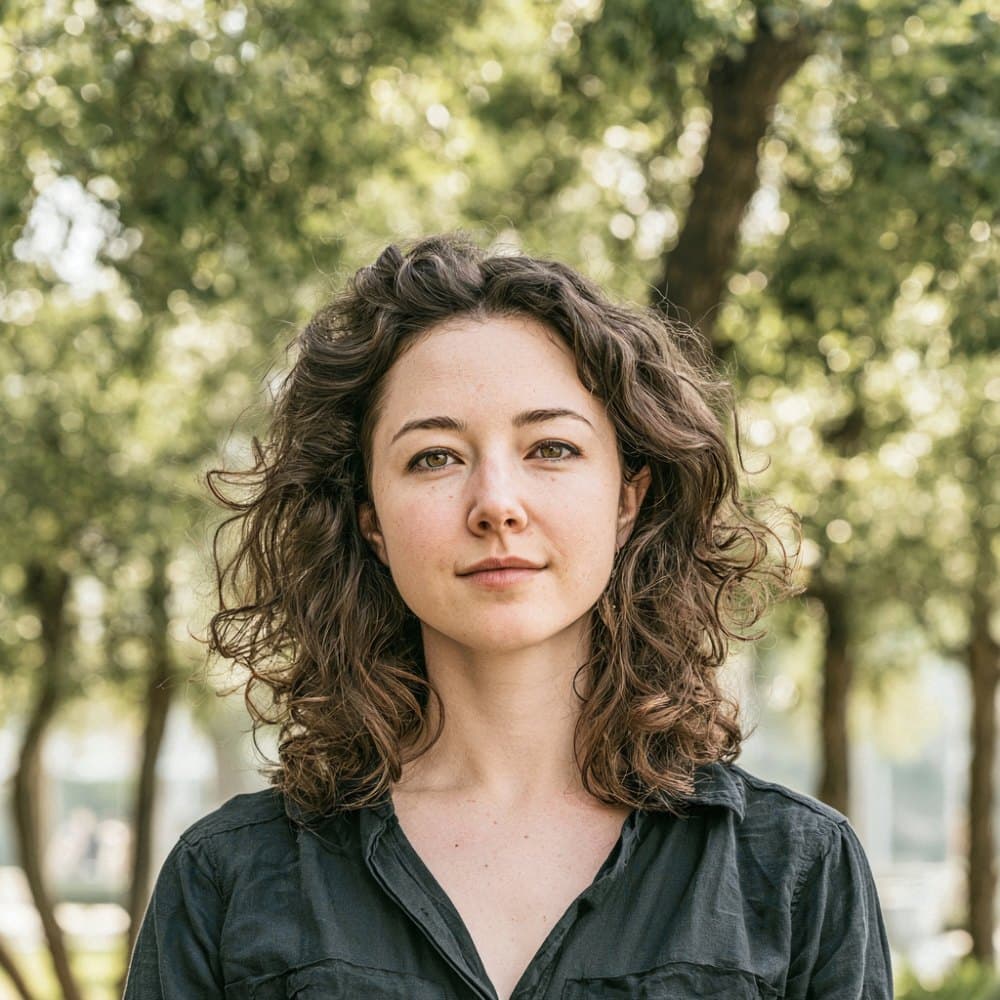
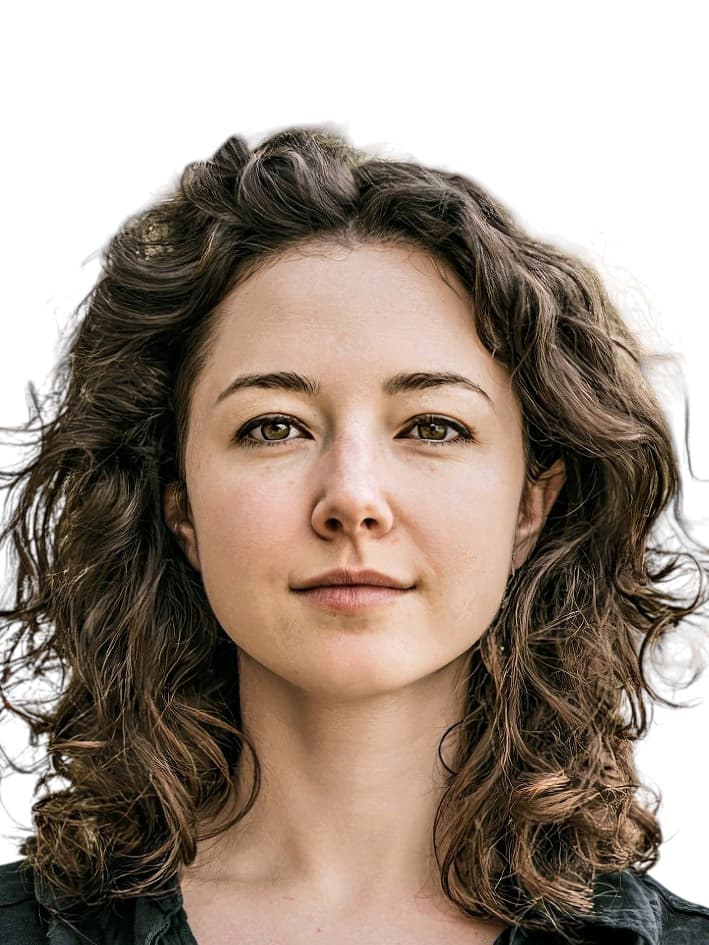
Spain passport photo rules from the Ministerio del Interior
Spain’s passport photograph is regulated by the Ministerio del Interior through the Dirección General de la Policía (Policía Nacional). The legal framework sits within Real Decreto 896/2003 for the passport and Real Decreto 1553/2005 for the DNI, and the photo specification has remained unchanged in substance since 2005. The same 26×32 mm tamaño carné format applies to the Spanish passport, the DNI and DNIe, and the Tarjeta de Identidad de Extranjero (TIE), so a single compliant image works across all three domestic documents.
The defining test applied by Spanish reviewers is the óvalo de la cara, the facial oval running from the eyebrows through the eyes, nose, and mouth to the chin. The photo must be recent (less than six months old), in color, taken from the front against a plain white background, with the head uncovered and a neutral expression. Photos that fail the óvalo test, that show glare on glasses, or that arrive in the wrong physical size are rejected at the Comisaría or consulate, which delays the entire application.
Spanish consulates explicitly refuse U.S. 2×2 inch prints and standard 35×45 mm Schengen prints for Spanish passport applications. One photo is required for in-person applications at a domestic Comisaría, and two identical photos are required when applying through a Spanish consulate abroad.
Spanish passport photo requirements
The Policía Nacional applies a single interpretive test, the óvalo de la cara, covering the eyebrows, eyes, nose, mouth, and chin. Every rule below protects that face oval.
Expression & pose
- Neutral expressionThe applicant must hold a neutral, non-smiling expression. The mouth must be closed and teeth must not be visible.
- Eyes open and forwardEyes must be open and clearly visible, looking directly at the camera. Half-closed or downcast eyes are explicit grounds for rejection.
- Frontal alignmentThe head must face the camera squarely. Profile, three-quarter, and angled views are invalid under Policía Nacional rules.
- Shoulders squareShoulders must be square to the camera with the upper shoulders visible in the frame.
Eyewear & lenses
- Tinted lensesDark or tinted lenses are prohibited. The only exception applies to blind applicants or those with a permanent eye condition who habitually wear them.
- Clear prescription glassesClear prescription glasses are technically permitted, but there must be zero glare on the lenses and frames must not cover the pupil, the eye centre, or the eyelid. Many Comisarías enforce a de facto no-glasses rule, so removal is the safer choice.
- Frame thicknessThick frames, decorative frames, and novelty frames are not accepted. Frames must not cast shadows on the face.
- Contact lensesClear prescription contact lenses are permitted. Coloured or novelty contacts that alter natural eye colour are prohibited.
Hair
- Face oval visibilityHair must not cover the eyebrows, eyes, nose, mouth, or chin. The full óvalo de la cara must remain visible.
- Fringes and bangsFringes that fall across the eyebrows or eyes, or that cast shadows on the face, are one of the most common reasons for rejection.
- Long hairLong hair may be worn down or tied back provided it does not obstruct the face oval or cast shadows on the face.
- Wigs and hairpiecesWigs are permitted if they do not materially alter the wearer’s natural appearance.
Headwear
- Bare head ruleThe Policía Nacional requires the head to be completely uncovered. Hats, caps, headbands, and decorative head coverings are not accepted for fashion, weather, or non-religious cultural reasons.
- Religious and medical exceptionHead coverings worn for religious or medical reasons are permitted only if the full face from hairline to chin is visible and the covering casts no shadows on the face.
Jewelry & accessories
- Earrings and necklacesJewelry is acceptable if it does not obscure the face oval, cast shadows, or create glare. Large earrings and statement necklaces risk rejection for those reasons.
- Facial piercingsFacial piercings are permitted provided they do not obscure facial features.
- Headphones and hair ornamentsHeadphones, large hair bows, and decorative headbands are prohibited under the bare-head rule.
Cosmetics
- Everyday makeupEveryday makeup is permitted provided the applicant remains recognisable.
- Heavy makeupHeavy contouring, false eyelashes, and dramatic makeup that alter biometric facial structure or obscure the natural shape of the eyes are not permitted.
- Facial tattoosFacial tattoos are treated as part of the applicant’s identity and must not be covered.
Clothing
- Avoid white garmentsWhite clothing blends into the mandatory white background and should be avoided. Choose a colour that contrasts clearly with white.
- Collars and scarvesHigh collars, thick scarves, and turtlenecks are not permitted when they obscure the jawline or chin, because they disrupt the óvalo de la cara.
- Everyday clothingStandard civilian clothing is expected. Religious dress is accepted on the same terms as religious headwear, provided the full face remains visible.
Photo quality
- Shadows on the faceShadows cast on the face, including those from hair, frames, or head coverings, are grounds for rejection.
- Red-eyeRed-eye is not accepted and cannot be digitally corrected. A new photo is required.
- Photo recencyThe photograph must be less than 6 months old. A new photo is required if appearance has changed materially since the last image was taken.
Dimensions, resolution & background.
Head position & camera distance.
- Head height, measured from the bottom of the chin to the top of the head, must be between 23 mm and 25 mm (roughly 57–63% of the photo height).
- Eyes must sit between 20 mm and 24 mm from the bottom of the photo.
- The head must be centered horizontally in the frame, with a small symmetrical margin on each side.
- Shoulders must be square to the camera and both visible. No three-quarter angles or rotated torso.
- The full face, from chin to crown, must be inside the frame with proper top margin.
Spain accepts more than one size — we generate them all.
Spain publishes more than one acceptable format depending on where you submit your application — domestic passport offices, the official online portal, and regional consulates abroad can each call for a different print or pixel size. We render every variant below from the same source photo, so the head sits at the same physical position across files, and each one arrives in your order email with a clear filename indicating which submission channel it's for.
Spain Passport 30×40 mm
Primary · Print + DigitalSpain's official format — the same file works for both printed in-person submissions and the online portal upload.
Spain Passport 26×32 mm
Print + DigitalAlternate accepted size — works as both an in-person print and an online-portal upload.
Spain Passport 40×53 mm
Print + DigitalAlternate accepted size — works as both an in-person print and an online-portal upload.
How recent the photo must be.
Your passport photo must have been taken within the last six months. A new photo is required sooner whenever your appearance has changed in a way that makes the old photo no longer recognizable.
You need a new photo if you’ve had…
- Facial surgery or a major change to facial structure
- A significant gain or loss of weight that visibly changes your face
- Large facial tattoos or piercings added or removed
- A gender transition that has changed your appearance
You do not need a new photo just because of…
- A new hair color
- Growing or removing a beard or moustache
- Ordinary, minor aging
- A new hairstyle that still leaves the face fully visible
Photos for infants and young children.
The Policía Nacional applies the adult rules to all applicants, but consular practice recognises two relaxations for the youngest children.
Infants under 12 months
Infants are photographed lying on a plain white surface. Expression and gaze requirements are relaxed.
- EyesEyes partially closed or fully closed are accepted for infants under one year.
- ExpressionA neutral expression is not required. The mouth may be open.
- Adults out of frameThe person holding the baby and their hands must not appear in the frame, even partially.
Children aged 1 to 5
The Policía Nacional accepts limited relaxations for young children while still requiring the face oval to be fully visible.
- Expression and gazeA strictly neutral expression and a direct gaze at the camera are not required.
- Head centeringThe head does not need to be perfectly centred in the frame.
- Face ovalThe face oval, covering eyebrows, eyes, nose, mouth, and chin, must still be fully visible and unobscured.
Country-specific details to know.
A few quirks of the Spanish spec sit outside the standard categories and are worth flagging on their own.
The óvalo de la cara test
Spanish reviewers apply a single interpretive test to every hair, clothing, accessory, and headwear decision: the óvalo de la cara, running from eyebrows to eyes, nose, mouth, and chin. If any element breaks that oval, the photo fails.
Foreign sizes rejected
Spanish consulates explicitly reject US 2 by 2 inch photos and EU 35 by 45 mm photos for Spanish passport applications. The domestic 26 by 32 mm format is the only accepted size.
DNI photo reuse
When a citizen has recently renewed their DNI, the Policía Nacional may reuse the existing biometric image for the passport, and no external photo is needed. When renewing the DNI and passport on the same day, the photo is captured live at the appointment.
Copies required
One photograph is required at a domestic Comisaría. Two identical photographs are required when applying at a Spanish consulate abroad.
As easy as snap, upload, done.
You take a quick picture. We do the spec work and tell you immediately if anything needs a retake.
Plus a human layer. Your files are ready the moment the automatic checks pass — and a real passport-photo specialist also reviews each one, usually within minutes, touching up small issues or flagging anything that needs your attention.
Free to check, and reviewed by a real expert. You only pay when you keep it.
Print & paper standards.
If you submit a printed photo with a paper application, the print itself has to meet acceptance-facility standards in addition to the rules above.
- Photographic paper (matte or glossy finish).
- Inkjet printing is not accepted. Use a professional photo lab.
- No visible pixels, banding, dithering, or printer artifacts.
- The print must be undamaged: no creases, holes, smudges, staples, or pinholes.