
Dominican Republic passport photo rules from the Dirección General de Pasaportes
The Dominican Republic passport photograph is governed by the Dirección General de Pasaportes (DGP), the agency under the Ministerio de Relaciones Exteriores (MIREX) that issues every Dominican passport. DGP publishes its requirements on pasaportes.gob.do and aligns the specification with ICAO Doc 9303, the international standard for machine readable travel documents. The same 2×2 inch format is used for adult passports, minor passports, and renewals, and it is the universally safe size for the cédula consular and Dominican consular visa paperwork.
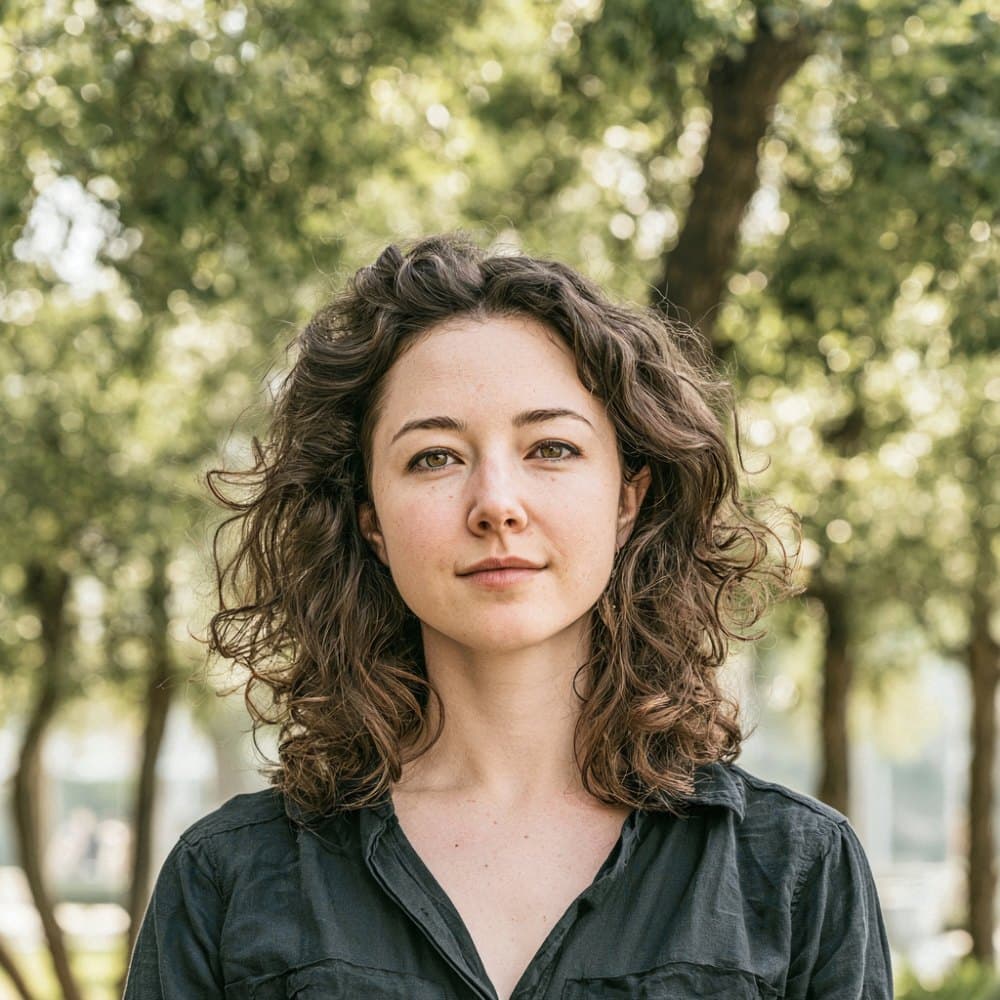
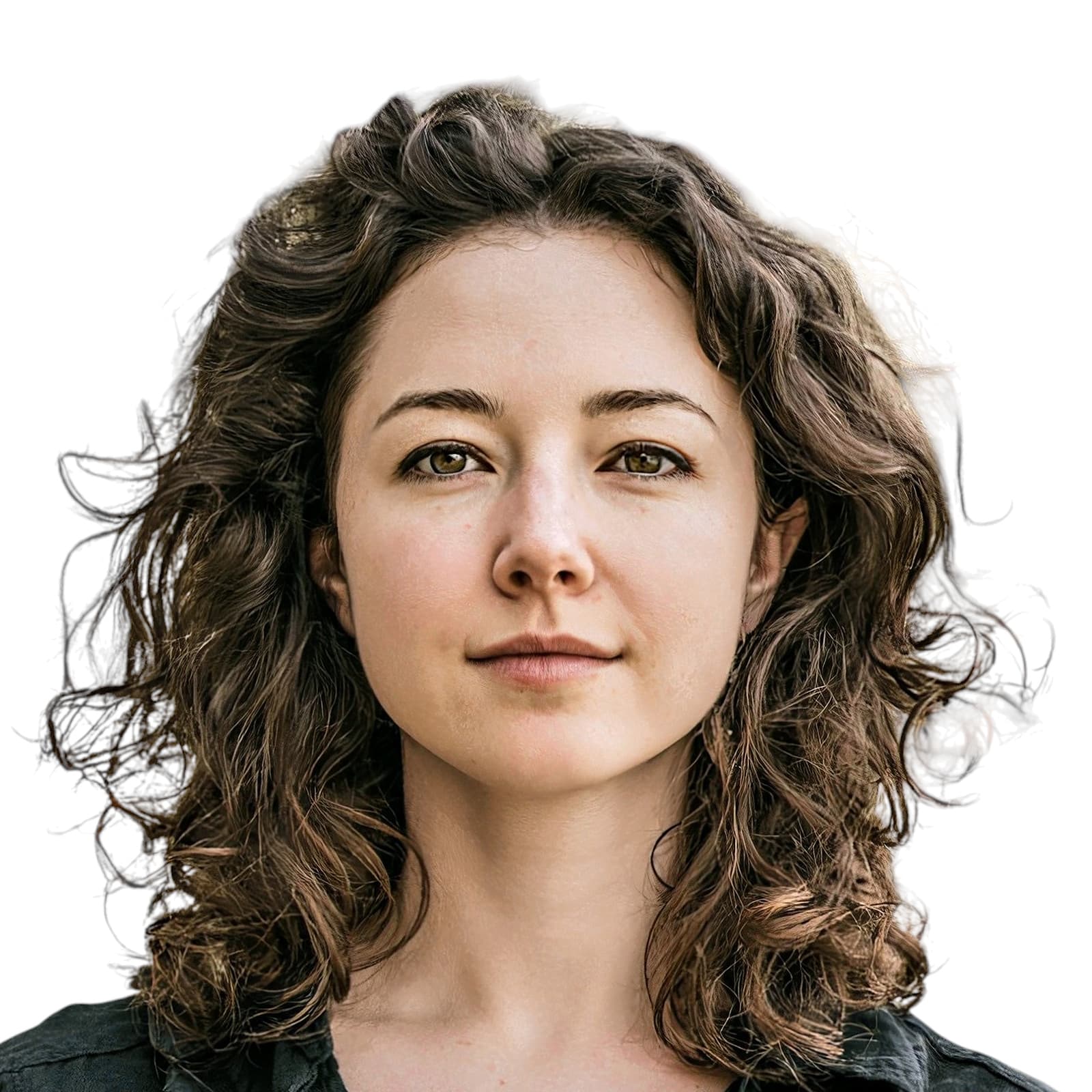
DGP enforces the rules strictly. The photograph must show a neutral expression with the mouth closed, the forehead and both ears uncovered (orejas descubiertas), hair gathered back (cabello recogido), and no bangs (sin pollina). Glasses, hats, and all jewelry (sin prendas) are prohibited, and colored contact lenses are explicitly called out as not allowed. In-person consular review tends to be stricter than the online portal, particularly on clothing, hair, and accessories.
A photograph that fails any of these subject rules will be rejected at submission, delaying the application and forcing a retake. Perfect Passport applies every DGP requirement before you submit, so the photo you upload to solicitudweb.pasaportes.gob.do or hand to a consular officer matches the published specification.
Dominican Republic Passport Photo Requirements
The Dirección General de Pasaportes enforces ICAO Doc 9303 standards with strict national interpretations for expression, hair, eyewear, and accessories. Each rule below applies to how you appear in the photo.
Expression & pose
- Neutral expressionThe DGP requires a strictly neutral expression. No smiling, no grimacing, no raised eyebrows, and no visible teeth.
- Mouth closedThe mouth must be fully closed throughout the photo. Open-mouth poses are rejected.
- Eyes open and forwardBoth eyes must be fully open and looking directly into the camera. Squinting or partially closed eyes cause rejection.
- Frontal head positionThe head must face the camera squarely with zero yaw, pitch, or roll. Tilted or rotated portrait-style poses are not accepted.
- Square shouldersBoth shoulders must be visible and squared to the camera at the mid-shoulder line.
Eyewear & lenses
- Eyeglasses prohibitedThe DGP prohibits all eyeglasses in passport photos, including prescription frames and sunglasses (sin gafas, sin espejuelos). Glasses must be removed before the photo is taken.
- Colored contact lensesColored or cosmetic contact lenses are explicitly prohibited. The DGP states No utilizar lentes de contacto de color. Clear prescription contacts are permitted.
Hair
- Hair tied backLong hair must be gathered and tied back (cabello recogido) so that the face, forehead, and both ears remain fully visible.
- No bangs or fringesBangs and fringes are strictly prohibited (sin pollina). The entire forehead must be uncovered.
- Ears fully visibleBoth ears must be fully exposed (orejas descubiertas). This is one of the most strictly enforced DGP rules.
- Hair accessoriesClips, headbands, ribbons, and large hair bands are not permitted in the frame.
Headwear
- All headwear prohibitedHats, caps, hoods, headbands, and decorative head pieces are prohibited (sin sombreros). The full face oval must be visible from forehead to chin.
- Religious or medical coveringsThe DGP does not publish a written exception for religious or medical head coverings. Applicants who require one must contact their consulate in advance.
Jewelry & accessories
- All jewelry prohibitedThe DGP bans all jewelry in passport photos (sin prendas), applied uniformly to every applicant.
- EarringsEarrings of any size, including small studs, must be removed before the photo is taken.
- Necklaces and chainsNecklaces, chains, and pendants are not permitted in the frame.
- Facial piercingsFacial piercings must be removed. Visible piercings cause rejection.
- Headphones and earbudsHeadphones, earbuds, and similar accessories must not appear in the photo.
Cosmetics
- Natural makeup onlyMakeup must remain natural. Heavy contouring that alters facial geometry causes rejection.
- False eyelashesFalse eyelashes are not permitted when they cast shadows on the eyes or obscure the natural eye shape.
- Face paint and temporary tattoosTemporary tattoos and face paint must be removed before the photo. Permanent facial tattoos are accepted as part of current appearance.
Clothing
- Contrast with the backgroundClothing must contrast with the white background. White, cream, and very pale tops are commonly rejected because they blend into the background.
- CoverageCollared shirts or blouses with sleeves are expected. Strapless tops, tank tops, and very low necklines are routinely rejected at consular submission.
- UniformsCivil, military, and occupational uniforms are not permitted, except for official-status passports.
Photo quality
- No shadows on the faceThe face must be free of cast shadows. Shadows from hat brims, hair, or uneven posing cause rejection.
- No red-eyeRed-eye is not accepted. Retake the photo rather than attempt digital correction of the iris.
- Sharp focus on the faceThe DGP requires the face to be enfocado con total nitidez. Motion blur from the subject moving causes rejection.
Dimensions, resolution & background.
Head position & camera distance.
- Head height must occupy roughly 70–80% of the photo height.
- The head must be centered horizontally in the frame, with a small symmetrical margin on each side.
- Shoulders must be square to the camera and both visible. No three-quarter angles or rotated torso.
- The full face, from chin to crown, must be inside the frame with proper top margin.
How recent the photo must be.
Your passport photo must have been taken within the last six months. A new photo is required sooner whenever your appearance has changed in a way that makes the old photo no longer recognizable.
You need a new photo if you’ve had…
- Facial surgery or a major change to facial structure
- A significant gain or loss of weight that visibly changes your face
- Large facial tattoos or piercings added or removed
- A gender transition that has changed your appearance
You do not need a new photo just because of…
- A new hair color
- Growing or removing a beard or moustache
- Ordinary, minor aging
- A new hairstyle that still leaves the face fully visible
Photos for infants and young children.
The Dirección General de Pasaportes applies the adult specification to every applicant, including infants. There are no published leniency waivers.
Minors and infants (0–17 years)
The DGP states explicitly that infants and minors follow the same specifications as adults. Eyes must be open, mouth closed, and the face fully visible.
- Same spec as adultsAll passport photo rules that apply to adults apply equally to minors and infants. There are no relaxed expression, gaze, or pose tolerances.
- Eyes open, mouth closedEven newborns must have their eyes open and mouth closed. The Madrid consulate guidance is explicit on this point.
- No supporting people or propsHands, arms, pacifiers, toys, and other people must not be visible anywhere in the frame.
- Infant positioningLay the infant on a plain white sheet, or use a car seat covered with a white cloth, so that the child appears alone against a uniform background.
Country-specific details to know.
A few Dominican rules tend to surprise applicants familiar with other countries’ specifications.
Spanish-language terminology
Dominican consulates phrase rules using specific terms: sin pollina (no bangs), cabello recogido (hair tied back), sin prendas (no jewelry), and orejas descubiertas (ears uncovered). These wordings indicate strict enforcement of each rule.
Tied back, not tucked
Unlike many countries that accept hair simply tucked behind the ears, the DGP requires hair to be gathered and tied back. Loose hair, even when pushed behind the ears, risks rejection at stricter consulates.
Colored contacts called out
The DGP explicitly names colored contact lenses as prohibited, which is stricter than the typical international rule. Switch to clear lenses or glasses-free vision before the photo.
Two prints for in-person filing
In-person consular applications require two identical prints on photographic paper with a glossy finish. Some consulates request additional copies, so confirm the quantity with the office processing your file.
As easy as snap, upload, done.
You take a quick picture. We do the spec work and tell you immediately if anything needs a retake.
Plus a human layer. Your files are ready the moment the automatic checks pass — and a real passport-photo specialist also reviews each one, usually within minutes, touching up small issues or flagging anything that needs your attention.
Free to check, and reviewed by a real expert. You only pay when you keep it.
Print & paper standards.
If you submit a printed photo with a paper application, the print itself has to meet acceptance-facility standards in addition to the rules above.
- Photographic paper with a glossy finish.
- Inkjet printing is not accepted. Use a professional photo lab.
- No visible pixels, banding, dithering, or printer artifacts.
- The print must be undamaged: no creases, holes, smudges, staples, or pinholes.
- Do not write on the back of the photo.
- 2 identical prints are required.