
Brazil passport photo rules from the Polícia Federal and Itamaraty
Brazil’s passport photo specification is set by the Polícia Federal (PF) for applications made inside the country and by the Ministério das Relações Exteriores (MRE, Itamaraty) for applications filed at consulates abroad. The underlying technical standard is ANAC’s Orientação para Fotografias Padrão OACI em Documentos, Brazil’s transposition of ICAO Doc 9303. The canonical print is 50×70 mm on a plain white background, with consular posts in the United States accepting the 2×2 inch (≈50.8×50.8 mm) format used locally.
Inside Brazil, adults and children aged five and older do not submit a printed photo at all. The PF captures the facial image live at the appointment under the same OACI rules. Children under five must bring a recent 50×70 mm print, and every consular applicant abroad supplies a print sized to the rules of their post.
The PF and MRE enforce these rules strictly. Photos that fail the expression, pose, background, or recency requirements (older than six months) are rejected at the counter, which forces a return visit and delays the passport. The same OACI specification also governs Brazilian visa photos and several other federal identity documents.
What Brazil requires in your passport photo
The Polícia Federal and the Ministério das Relações Exteriores apply ANAC’s OACI standard. The rules below cover what the subject must look like in the final image.
Expression & pose
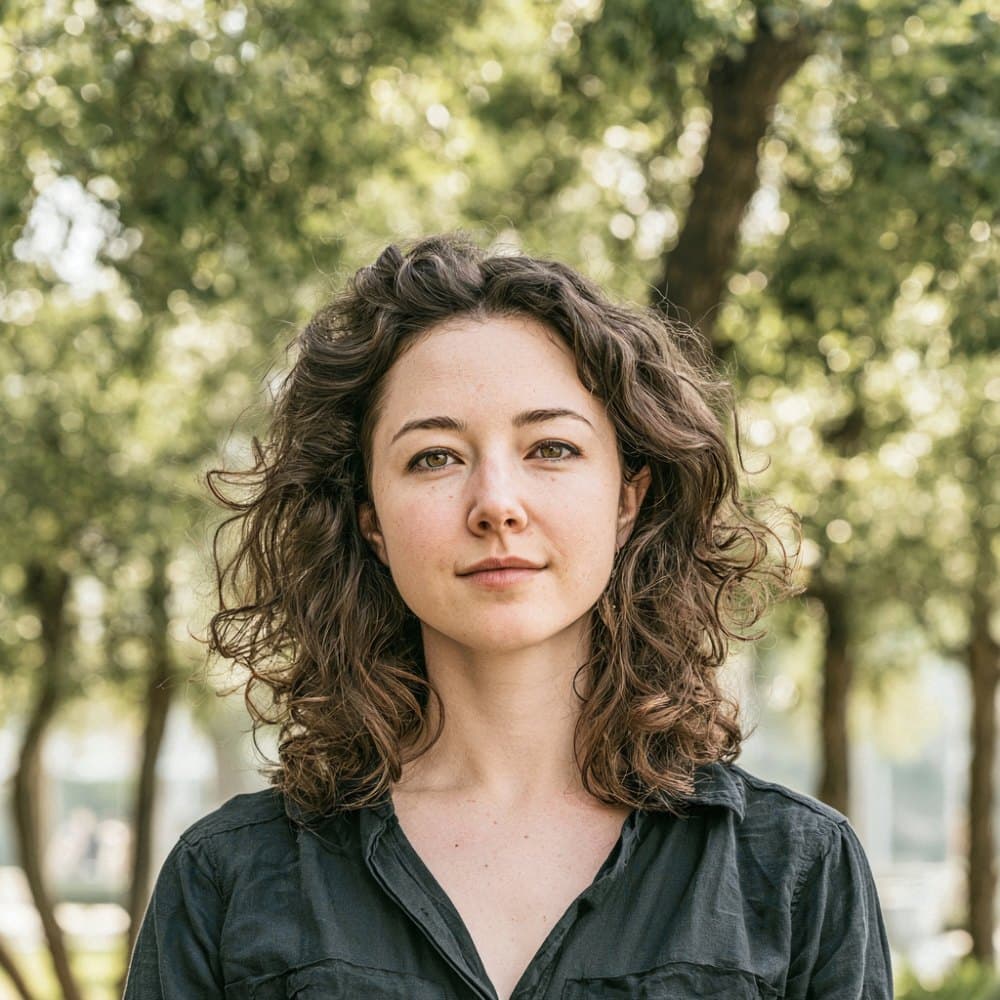
- Neutral expressionANAC requires a neutral facial expression. Smiling, frowning, and exaggerated expressions are not accepted.
- Mouth closedLips must be closed. Photos showing teeth or an open mouth are rejected.
- Eyes open and forwardBoth eyes must be open, fully visible, and looking directly at the camera.
- Frontal head positionThe head must face the camera squarely with no tilt or rotation. Over-the-shoulder and portrait-style angles are not permitted.
- Square shouldersShoulders must be squared to the camera and visible at the bottom of the frame.
Eyewear & lenses
- Prescription glassesGlasses are not permitted in Brazilian passport photos. Polícia Federal applies this as a firm rule; medical exceptions require documentation, and even then frames must not cover the eyes and lenses must show no glare.
- Sunglasses and tinted lensesSunglasses, tinted lenses, and thick or showy frames are prohibited.
- Cosmetic contact lensesColored and cosmetic contact lenses are explicitly prohibited by Polícia Federal under ANAC and ICAO norms. Clear prescription contacts are permitted if they produce no reflection.
Hair
- Face visibilityHair must not cover the eyes or eyebrows, and both edges of the face must be visible.
- Bangs and fringesBangs are allowed only if the eyebrows and eyes remain fully visible. Long fringes that fall across the face must be pinned aside.
- Decorative accessoriesRibbons, bows, decorative clips, and other ornamental hair accessories are not permitted.
Headwear
- Hats and capsHats, caps, bandanas, and headbands are not permitted.
- Religious head coveringsReligious head coverings are accepted when the entire face from chin to forehead and both edges of the face are fully visible and no shadows fall on the features. The covering must be a single uniform color with no patterns or perforations.
Jewelry & accessories
- EarringsEarrings are prohibited under ANAC’s OACI standard for passport photos.
- Headphones and earbudsHeadphones, wireless earbuds, and handheld accessories are not permitted in the frame.
Cosmetics
- MakeupANAC specifies that passport photos be taken without makeup. Heavy contouring, bright or dark lipstick, and any product that alters facial features or produces glare leads to rejection.
- False eyelashesFalse eyelashes are not permitted.
Clothing
- Avoid white topsWhite and very light clothing blends into the white background and causes rejection. Wear a mid-tone or dark top.
- UniformsUniforms are not permitted. Wear ordinary street clothes.
- Shoulder coverageStrapless, tube, and tank tops are discouraged because the auto-cropped passport oval can make the subject appear bare-shouldered. Covered shoulders are strongly recommended.
Photo quality issues
- Shadows on the faceNo shadows may fall on the face. Hat brims, hair, and uneven lighting that cast shadows across the features cause rejection.
- Red-eyeRed-eye is not accepted and cannot be digitally corrected. Retake the photo if it appears.
- Motion and focusThe subject must remain still. Motion blur or out-of-focus features result in rejection.
Dimensions, resolution & background.
Head position & camera distance.
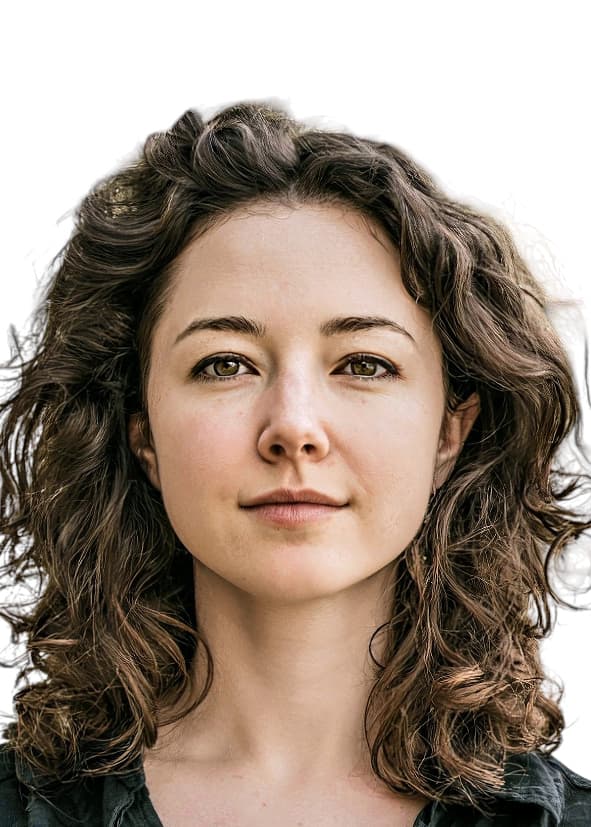
- Head height must occupy roughly 57–63% of the photo height.
- The head must be centered horizontally in the frame, with a small symmetrical margin on each side.
- Shoulders must be square to the camera and both visible. No three-quarter angles or rotated torso.
- The full face, from chin to crown, must be inside the frame with proper top margin.
Brazil accepts more than one size — we generate them all.
Brazil publishes more than one acceptable format depending on where you submit your application — domestic passport offices, the official online portal, and regional consulates abroad can each call for a different print or pixel size. We render every variant below from the same source photo, so the head sits at the same physical position across files, and each one arrives in your order email with a clear filename indicating which submission channel it's for.
Brazil Passport 50×70 mm
Primary · Print + DigitalBrazil's official format — the same file works for both printed in-person submissions and the online portal upload.
Brazil Passport 431×531 px — online
Digital uploadPixel-exact format required by the official online portal upload.
How recent the photo must be.
Your passport photo must have been taken within the last six months. A new photo is required sooner whenever your appearance has changed in a way that makes the old photo no longer recognizable.
You need a new photo if you’ve had…
- Facial surgery or a major change to facial structure
- A significant gain or loss of weight that visibly changes your face
- Large facial tattoos or piercings added or removed
- A gender transition that has changed your appearance
You do not need a new photo just because of…
- A new hair color
- Growing or removing a beard or moustache
- Ordinary, minor aging
- A new hairstyle that still leaves the face fully visible
Photos for infants and young children.
Brazil applies different photo rules by age. Adults aged five and older applying inside Brazil have their photo captured live by the Polícia Federal at the appointment and do not supply a print.
Newborns (0 months)
Polícia Federal grants a narrow exception for genuine newborns who cannot reliably hold their eyes open.
- Closed eyes acceptedA photo with closed eyes is exceptionally accepted only for genuine newborns. For every other age the eyes must be open.
- Expression relaxedA strictly neutral expression is not enforced for newborns.
- Subject aloneParental hands, toys, pacifiers, and other people must not appear in the frame.
- Print sizeDomestic applications require a 50 by 70 mm print on a white background.
Infants and children under 5
From one month onward children must follow the standard composition rules, with practical discretion for very young subjects.
- Eyes openEyes must be open and looking at the camera. Closed eyes are not accepted beyond the newborn exception.
- Neutral expressionA neutral expression is expected, with mouth closed.
- No supporting hands or propsToys, pacifiers, and the hands of a person holding the child must not be visible.
- In-person attendanceThe child must still attend the Polícia Federal appointment in person even though a 50 by 70 mm print is supplied.
Country-specific details to know.
A few Brazil-specific details cause more rejections than the standard rules.
Bifurcated photo system
Adults aged five and older applying inside Brazil do not supply a printed photo. The Polícia Federal captures a biometric image live at the appointment. The print specification applies to children under five domestically and to all consular applicants abroad.
Print size varies by consulate
Consulates in the United States accept the 2 by 2 inch format. Most other posts including Montreal use 50 by 70 mm, and Hamamatsu additionally accepts 50 by 50 mm. Check the specific post before printing.
No date on the print
The old practice of writing or stamping a date on the front or back of the photo has been abolished. A dated print is rejected.
No borders or strips
The print must have no white borders, frames, or strips on any edge. Trim flush to the photo area.
As easy as snap, upload, done.
You take a quick picture. We do the spec work and tell you immediately if anything needs a retake.
Plus a human layer. Your files are ready the moment the automatic checks pass — and a real passport-photo specialist also reviews each one, usually within minutes, touching up small issues or flagging anything that needs your attention.
Free to check, and reviewed by a real expert. You only pay when you keep it.
Print & paper standards.
If you submit a printed photo with a paper application, the print itself has to meet acceptance-facility standards in addition to the rules above.
- High-quality photographic paper (matte or glossy finish).
- No visible pixels, banding, dithering, or printer artifacts.
- The print must be undamaged: no creases, holes, smudges, staples, or pinholes.
- Do not write on the back of the photo.