
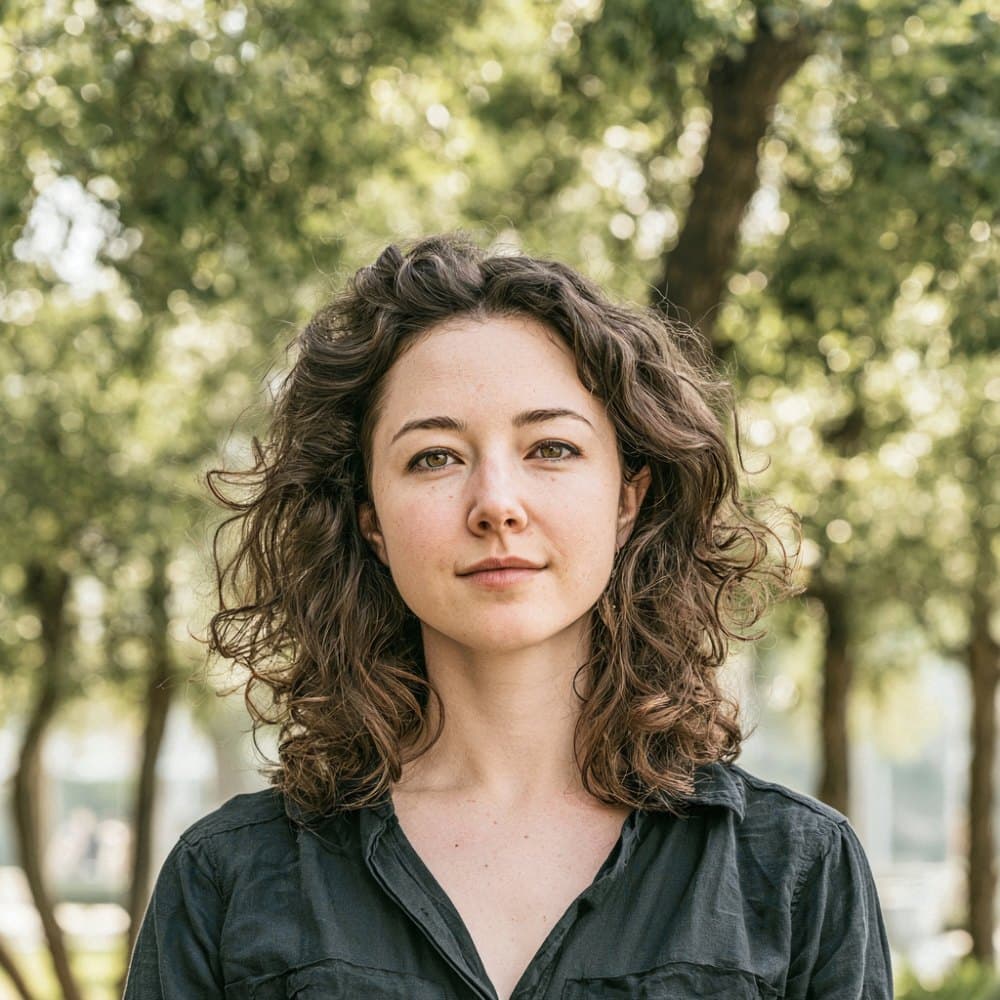
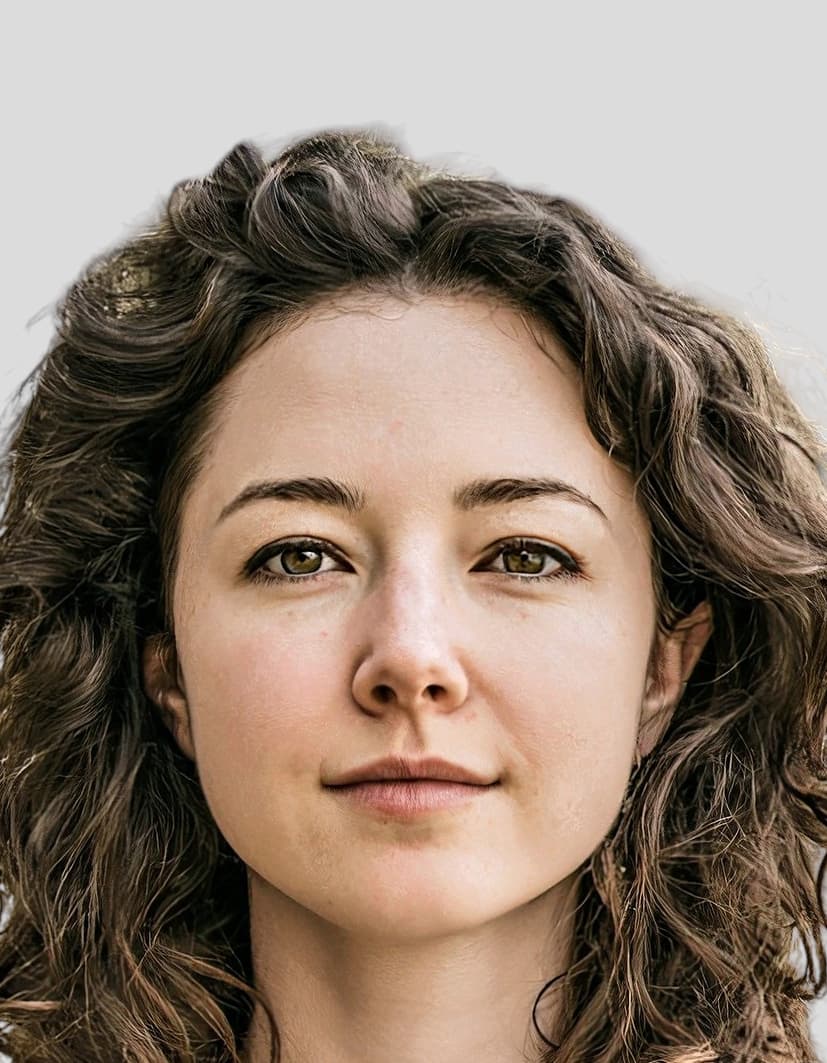
Australian Passport Office photo requirements at a glance
The Australian Passport Office (APO), part of the Department of Foreign Affairs and Trade, sets the photo standard for every Australian passport application. The rules are published on passports.gov.au and detailed further in the APO’s Camera Operator Guidelines, which align Australian passports with ICAO Doc 9303 for machine readable travel documents. The Department of Home Affairs applies a closely matching specification to citizenship applications, so a compliant passport photo also satisfies most citizenship lodgements.
APO requirements are strict and consistently enforced. Glasses have been prohibited since 1 July 2018 except in narrowly defined medical cases, the expression must be neutral with the mouth closed for anyone aged three and over, and the head must measure 32 to 36 mm from chin to crown within the 35 to 40 mm by 45 to 50 mm print. Applicants must submit two identical prints, and for full PC8 applications a guarantor endorses the back of one photo in black pen.
Photos that miss any of these rules are rejected at lodgement, which delays issuance and forces a fresh sitting. Australian consular posts also warn that ordinary retail prints are routinely refused on quality grounds, so the safest path is a capture that matches APO geometry, lighting, and print specifications on the first try.
What the Australian Passport Office requires in your photo
The Australian Passport Office sets strict rules for how you appear in the frame. These are the subject-side requirements you control before the shutter clicks.
Expression & pose
- Neutral expressionAnyone aged three years or older must hold a neutral expression. Smiling, laughing, and frowning are not permitted.
- Mouth closedThe mouth must be fully closed with no teeth visible for applicants aged three and over.
- Eyes openEyes must be open and clearly visible. Infants under 1 year may have closed eyes if a sleeping pose is unavoidable; from age 1 onward eyes must be open.
- Face the cameraThe face must be square to the camera, looking straight into the lens. The head must not be tilted, turned, or angled in any direction.
- Shoulders squareShoulders must face the camera with the top of the shoulders visible. Portrait-style poses with rotated shoulders or artistic angles are not accepted.
Eyewear & lenses
- Glasses prohibitedGlasses have been banned in Australian passport photos since 1 July 2018. Vision impairment alone is not an acceptable reason to keep them on.
- Medical exceptionGlasses may only be worn where a genuine medical condition prevents their removal. A medical certificate or completed B-11 form is required, frames must not obscure the eyes, and lenses must be untinted and free of glare.
- Sunglasses and tintsSunglasses and tinted lenses of any kind are not permitted.
- Contact lensesClear prescription contact lenses are acceptable. Coloured and cosmetic novelty lenses are not.
Hair
- Face must be unobstructedHair must not cover the eyes, eyebrows, or the edges of the face. The full facial oval from chin to forehead must be visible.
- Fringes and bangsFringes are acceptable provided they sit above the eyebrows and do not cast shadows across the eyes. Pin longer fringes back if needed.
- Wigs and hairpiecesWigs, extensions, and hairpieces are permitted if they reflect the applicant’s everyday appearance and do not obscure the face.
- Head height measurementThe head measurement is taken from the bottom of the chin to the top of the skull, not the top of the hair. Voluminous hair above the crown is acceptable.
Headwear
- General ruleHats, caps, and decorative head coverings are not permitted. Cultural or fashion headwear without a religious or medical basis is not accepted.
- Religious head coveringsHead coverings worn for religious reasons are permitted. The fabric must be plain with no patterns, and the entire face from the bottom of the chin to the top of the forehead, including both edges of the face, must remain visible.
- Medical head coveringsBandages and medically necessary coverings are permitted with a medical certificate or completed B-11 form. The face must remain fully visible.
- No facial shadowsHead coverings must not cast shadows on the face.
Jewellery & accessories
- Everyday jewelleryJewellery may be worn if it forms part of the applicant’s normal appearance. It must not obscure any part of the face, particularly around the eyes, mouth, and nose.
- No reflectionsRings, studs, earrings, and necklaces must not produce reflections or glare. Reflective pieces near the eyes or nose are a common cause of rejection.
- Facial piercingsFacial piercings are permitted when worn permanently, provided they do not cause reflections or obscure facial features.
- Headphones and earbudsHeadphones, earbuds, and similar wearable devices are not permitted in the photo.
Cosmetics
- Everyday makeupLight, everyday makeup is acceptable. Heavy theatrical makeup or contouring that significantly alters the natural shape of the face is not permitted under the true-likeness rule.
- Eyelashes and eyelinerFalse eyelashes and eye makeup are acceptable provided they do not obscure the eyes or cast shadows across the eyelids.
- Facial tattoosFacial tattoos do not need to be covered.
Clothing
- Contrast with backgroundClothing must contrast with the background. A white top against a white background will fail; choose a darker or mid-tone garment when the background is light.
- Everyday attireWear regular street clothing. Avoid reflective fabrics or accessories near the collar that could create glare on the face.
Photo quality issues to avoid
- Shadows on the faceThe face must be evenly lit with no shadows cast across the features by hats, hair, or harsh overhead lighting.
- Red-eyeRed-eye is not accepted, and the Australian Passport Office prohibits digital red-eye correction. The photo must be retaken with corrected lighting.
- Flash hotspotsReflections and bright hotspots on the skin, particularly on the forehead, nose, and cheeks, are grounds for rejection.
- Motion blurThe subject must remain still during capture. Motion blur, particularly common with young children, will cause rejection.
Dimensions, resolution & background.
Head position & camera distance.
- Head height, measured from the bottom of the chin to the top of the head, must be between 32 mm and 36 mm (roughly 72–79% of the photo height).
- The head must be centered horizontally in the frame, with a small symmetrical margin on each side.
- Shoulders must be square to the camera and both visible. No three-quarter angles or rotated torso.
- The full face, from chin to crown, must be inside the frame with proper top margin.
How recent the photo must be.
Your passport photo must have been taken within the last six months. A new photo is required sooner whenever your appearance has changed in a way that makes the old photo no longer recognizable.
You need a new photo if you’ve had…
- Facial surgery or a major change to facial structure
- A significant gain or loss of weight that visibly changes your face
- Large facial tattoos or piercings added or removed
- A gender transition that has changed your appearance
You do not need a new photo just because of…
- A new hair color
- Growing or removing a beard or moustache
- Ordinary, minor aging
- A new hairstyle that still leaves the face fully visible
Photos for infants and young children.
The Australian Passport Office recognises one age-based variation. Every other adult rule continues to apply.
Infants and children under 3 years
Limited flexibility applies to mouth position for the youngest applicants. All other adult standards remain in force.
- Mouth may be openChildren under three years of age may have their mouth open in the photo.
- EyesEyes should be open and visible where possible. Infants under 1 year may be accepted with closed eyes when a sleeping pose is unavoidable.
- No supporting people or objectsNo other person or object may appear in the frame. Hands holding the child, toys, pacifiers, car seats, and visible cushions are all grounds for rejection.
- Pose remains frontalThe head must still face the camera with no significant tilt or rotation. Pose rules are not relaxed for infants.
Children aged 3 and over
The full adult standard applies from the third birthday onward.
- Neutral expressionChildren aged three and above must hold a neutral expression with the mouth closed. Smiling is not permitted.
- Eyes open and forwardEyes must be open and looking directly at the camera.
- Head straightThe head must not be tilted or turned. The same pose standard applied to adults applies here.
Country-specific details to know.
A few elements of the Australian specification stand out from international norms.
Glasses ban
Since 1 July 2018, glasses have been prohibited in Australian passport photos. This is stricter than ICAO guidance and stricter than peer countries such as the United States. Only a documented medical exemption permits glasses to be worn.
Infant eyes-closed leniency
For applicants under 1 year, the Australian Passport Office accepts photos with closed eyes when an awake, eyes-open shot is not realistic. From the first birthday onward, eyes must be open.
Two identical prints
Australian applications require two identical printed photographs, where most peer countries now accept one. For full applications (PC8), a guarantor must endorse the back of one photo in black pen with the applicant’s full name and their signature.
Print process
Prints must be produced by dye sublimation on heavy-weight glossy photographic paper of at least 200 gsm. Inkjet prints are explicitly rejected because of the visible dot pattern that appears when the photo is scanned for passport production.
As easy as snap, upload, done.
You take a quick picture. We do the spec work and tell you immediately if anything needs a retake.
Plus a human layer. Your files are ready the moment the automatic checks pass — and a real passport-photo specialist also reviews each one, usually within minutes, touching up small issues or flagging anything that needs your attention.
Free to check, and reviewed by a real expert. You only pay when you keep it.
Print & paper standards.
If you submit a printed photo with a paper application, the print itself has to meet acceptance-facility standards in addition to the rules above.
- Photographic with a glossy finish.
- Inkjet printing is not accepted. Use a professional photo lab.
- No visible pixels, banding, dithering, or printer artifacts.
- The print must be undamaged: no creases, holes, smudges, staples, or pinholes.
- 2 identical prints are required.